
When a salon client asks for extra services: what to say
A client asks for nail art or another extra during a booked visit. Check what is included, agree on the price, and offer work that fits the available time.
Desk Team
5 min read
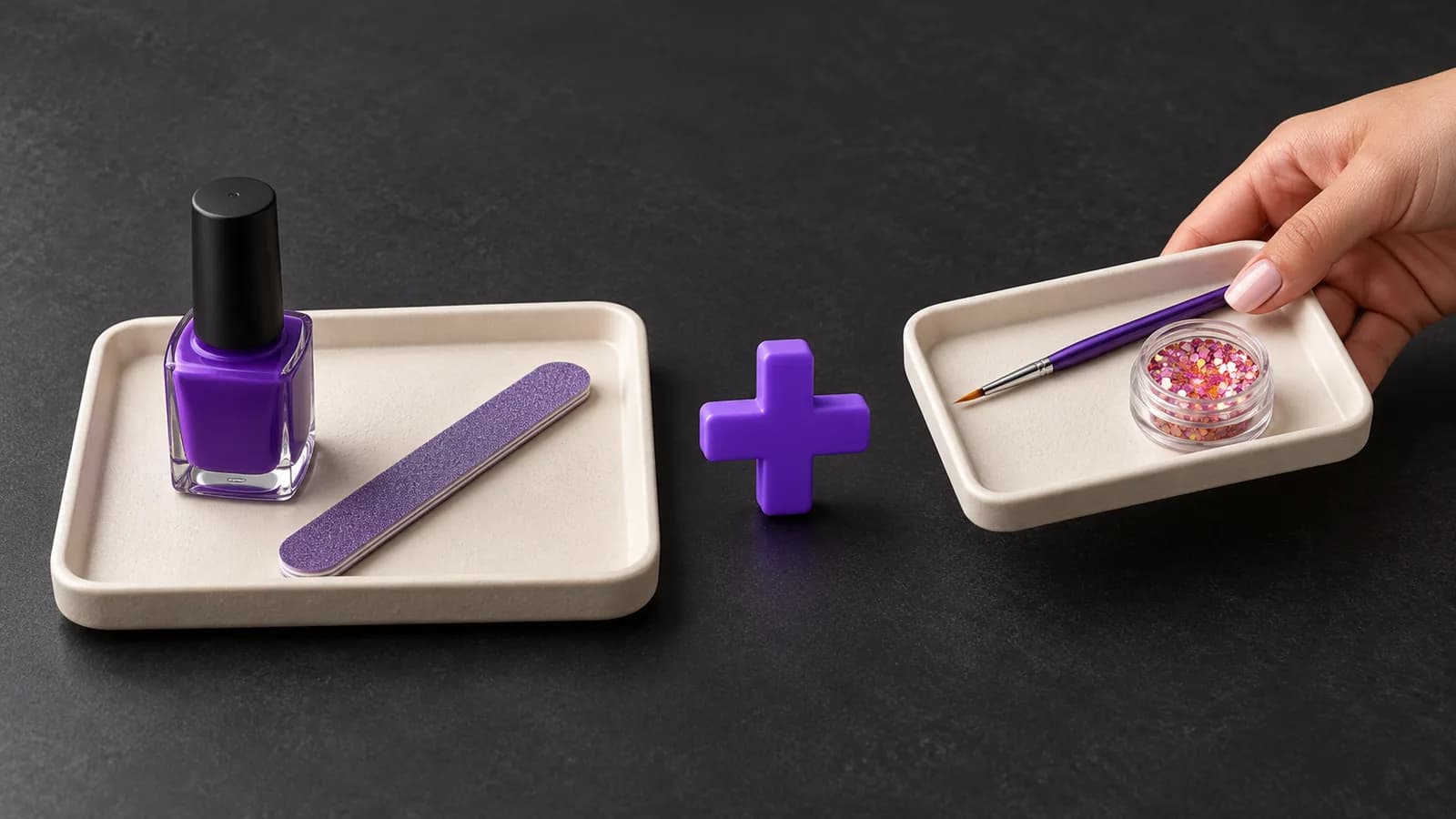
“Could you just add a little nail art?” The request sounds small, but your next client is due soon. Or someone booked a haircut and asks for another service once they are in the chair. You want to be helpful without doing unplanned work, surprising them at checkout, or making the rest of the day run late.
Pause before agreeing. Clarify the request, check what the booking already includes, and confirm the time and price before starting anything additional. If it does not fit, offer a suitable choice for today or another appointment.
You do not have to decide whether the client is being demanding. You need a shared understanding of what you can actually provide.
Find out what “just a little extra” means
Ask the client to describe the result they want. With nail art, that might mean a simple detail or a much more involved design. With another beauty service, it may mean adding a separate treatment rather than changing one small part of the booked work.
Try a neutral opening:
“Let me check what you'd like to add and what we have time for before I say yes.”
Then compare the request with the service description and any agreement made before the visit. Is it already included? Is it a change to the same service, or genuinely additional work?
Do not charge twice for something your menu says is included. If your description was unclear, acknowledge the misunderstanding and agree on the work and price before proceeding. A label such as “full service” may need a clearer explanation of what the client is booking.
Keep a discussion about correcting work or an agreed follow-up separate from an optional extra. Calling every request an add-on will not resolve a disagreement about what you originally promised.
Check the whole visit before saying yes
Look at the time remaining until you must be ready for the next appointment. Include the work still to do, checkout, and the reset your service requires. Check any shared chair, room, equipment, and the person needed for the extra service too.
An empty space in your calendar does not tell you whether the additional work is appropriate or whether you have the necessary preparation and materials. Use your professional judgment. Do not skip required steps or rush the work to squeeze it in.
There are three useful choices:
- It fits: explain the additional work, the revised price, and the expected finish time. Ask whether the client wants to proceed.
- A smaller option fits: describe exactly what you can do today and its price. Let the client choose it rather than presenting it as the full request.
- It needs another visit: keep today's agreed service and offer to find a suitable appointment for the extra work.
If you cannot estimate the request reliably, say that it needs further discussion before you can quote or book it. Guessing a short duration to keep the conversation easy only leaves the uncertainty for later.
Say the price and the choice out loud
An extra charge should be part of the decision before the work starts. State what changes and what the revised total will be, using your actual pricing. Explain anything that makes the quote conditional before asking for agreement.
Here is wording to adapt when the work fits:
“We can add [specific work] today. That changes the total for the agreed services from [original amount] to [revised amount], and I expect us to finish at [time]. Would you like that, or would you prefer to keep the original service?”
Use a different response when time is the limit:
“I can complete the service we booked today. I don't have enough time for [extra work] before my next client, but we can look for another appointment for it.”
If you offer a simpler alternative, name its limits. A less detailed design is a different choice, not an identical result done faster. Give the client room to decline without turning the conversation into a sales pitch.
Before starting, read back the selected work and price. An enthusiastic discussion about an idea is not the same as a clear decision to add it. If the request changes again, pause and agree on the new scope rather than treating the earlier answer as permission for everything.
Make the appointment record match the agreement
A verbal yes can get lost when the diary still shows only the original service. Update the record with the work the client chose, the time you are reserving, and a brief note about the agreement. If another professional takes over, they should be able to tell what was accepted and what was left for another visit.
Desk can help keep those details together. Services have a name, description, duration, and price. An appointment can contain more than one selected service, and its end time is calculated from their total duration. That gives you something concrete to review when an extra changes the planned visit.
When editing the appointment in the mobile app, review the selected services, calculated end time, displayed total, and optional notes before saving. Desk's appointment guide explains those fields. You still need to check the next booking and any shared resources, and get the client's agreement yourself.
The record does not decide whether work is included, approve a price on the client's behalf, or move the rest of your day for you. Keep your service descriptions and timings accurate, then check that the saved appointment reflects today's agreement.
You can start with the schedule and client records in Desk Free. It includes unlimited appointments and clients, client records, history and notes, and one team member for one business, without a subscription. SMS credits and payment processing are charged separately. The plan details explain what is included.
Use repeated requests to make the menu clearer
If the same surprise keeps coming up, check how you describe the service. Clients may be choosing an option that does not explain whether removal, a detailed design, or another requested task is included. Clarify that boundary where they choose the service.
For example, use a description such as “Includes [specific work]. For [separate service], contact us before booking so we can confirm the time and price.” Replace the brackets with what is true for your business. Do not tell clients to select an option that you have not actually made available.
Desk's service guide covers the name, description, duration, and amount fields. Editing the menu is not proof that an existing booking has changed. Review already-booked visits separately if their expected work needs clarification.
After the next add-on request, check the result against the conversation. Did the client receive the work they chose and understand the price? Did you have enough time to prepare for the next appointment? If one part failed, identify whether the problem was the description, estimate, agreement, or record. That tells you what to improve before saying yes again.