
How to remember salon client preferences between visits
When a client asks for the same as last time, a useful note helps. Build a simple routine for recording preferences, checking changes, and preparing for visits.
Desk Team
5 min read
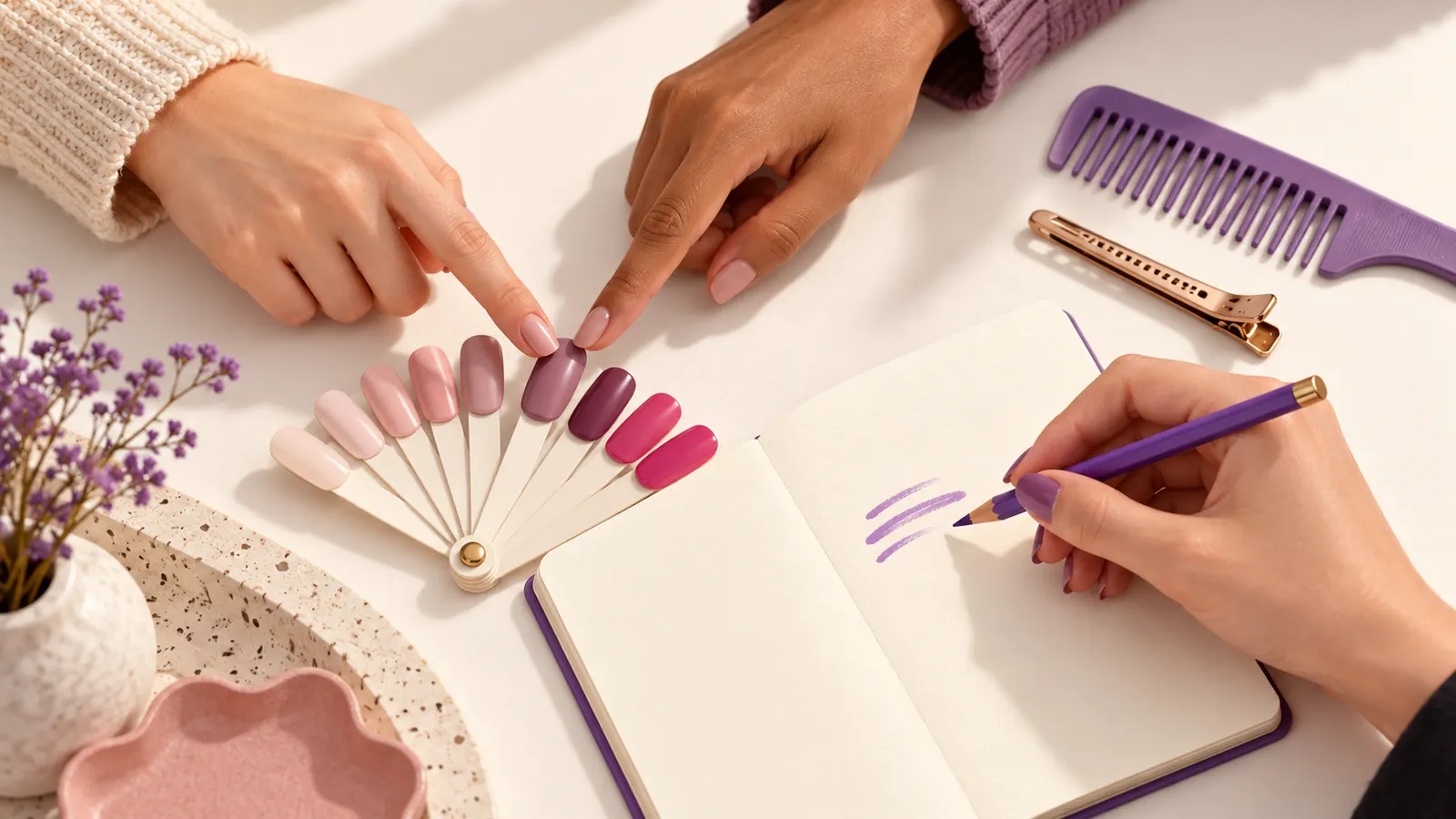
A returning client asks for “the same as last time.” You recognize their face, but the exact length, nail shape, or change you discussed is harder to recall. Searching old messages while they wait makes the start of the appointment more difficult than it needs to be.
A short, dated record can give you a better starting point. Write down what you agreed, review it before the next visit, and ask what the client wants to keep or change. The aim is to arrive prepared while giving them room to want something different today.
You can build that routine with paper or a digital client record. Start with the information that will actually help the next appointment.
Record the detail that changes the service
“Likes it natural” may feel clear when the conversation is fresh. Weeks later, it leaves you interpreting the word again. Write the specific choice you and the client settled on.
These are illustrative examples, not real client records:
| Vague note | More useful detail to record, if confirmed |
|---|---|
| “Same haircut” | The agreed length or shape, including a detail such as keeping enough length to tuck behind the ears |
| “Likes pink” | The actual product and shade selected from your samples, rather than a broad color description |
| “Picky about nails” | The shape and length requested, plus the particular change the client asked for |
| “Quiet client” | “Said they prefer a quieter appointment,” if that is what they told you |
Record the client's request separately from your interpretation. “Asked to keep more length next time” gives you something to confirm. A judgment about their personality does not.
Keep notes relevant to the work. You do not need a transcript of a private conversation to remember a service preference.
Separate a usual preference from one visit's choice
A client may usually choose short, rounded nails but want a different shape for one occasion. If you turn that single request into their permanent preference, the next appointment starts with the wrong assumption.
Use a current preference summary for choices they have told you are usual. Keep what happened on a particular visit with that visit's date. Label a future idea as something to discuss, rather than an agreed booking or service.
For example, “Considering a shorter cut next time” is a question for the next consultation. It does not mean you should start cutting shorter when the client sits down.
When a usual preference changes, update the summary and include the date of the change. This is a habit you can use in a notebook or a notes field; it does not depend on special software.
Use a short note you can understand later
Try this structure after a visit. It is a writing template, not a form the client has to complete:
Date and service: [the visit this note belongs to]
Agreed result: [specific length, shape, shade, or other relevant choice]
Client feedback: [what they actually said to keep or change]
Confirm next visit: [an unresolved choice or change to discuss]
Only fill in what is relevant and known. If the client gave no feedback, do not invent it to complete the template.
Use product or shade identifiers you can recognize in your own stock when those details matter. Write out an unfamiliar abbreviation. A note that only makes sense to you immediately after the appointment will be harder to use weeks later or when a colleague needs context.
If you have several clients with the same name, check that you are saving the note to the right person. A well-written note on the wrong record can create another misunderstanding.
Read back the important part before you begin
Review the notes from the previous visit and the current preference summary before starting the work. Then use them to open a specific conversation:
“Last time we agreed on [detail]. Would you like to keep that today, or change anything?”
For an unfinished idea, make the uncertainty clear:
“I noted that you were considering [change]. Is that still something you want to discuss?”
Listen to today's answer. A note is a starting point for the conversation, not a reason to override a new request.
If you cannot find a reliable record, say so plainly: “I want to check the details rather than guess. What would you like to keep from the last visit?” Agree on the result again, then make a clearer note this time.
The useful outcome is a shared understanding of today's service. An old preference note does not replace the consultation or any forms required for the work you are doing.
Keep the notes where you prepare for appointments
This routine becomes harder when the useful detail is spread across messages, a paper diary, and separate phone notes. Choose one main place for your client record and make reviewing it part of preparing for a visit.
Desk can help with that organization. Its client records bring notes and appointment history together, so you have a place to look before the client arrives. You can keep general preferences in the client's free-form notes and add notes to an individual appointment for that visit's context.
In the Desk mobile app, you can also enable client notes to appear when you open an appointment. That puts the reminder alongside the visit you are preparing for. You still need to write, date, review, and confirm the information; the app does not decide what the client wants today.
Desk Free includes client records, history and notes, unlimited appointments and clients, and one team member for one business, without a subscription. SMS credits and payment processing are charged separately. The plan details explain what is included if you later need tools for a team.
You can start by organizing the clients you are due to see next, rather than trying to reconstruct every conversation you have ever had. Do not fill gaps in an old record with guesses.
Finish the visit with a note for the next one
Before moving to the next client, record the service choice and anything they specifically asked to keep or change. A question such as “Would you keep this length next time?” can help clarify that, without assuming they want an identical repeat.
For a team, agree on what the note should contain and where to find it. A useful handover names the dated visit, the confirmed preference, and what still needs checking. The next professional should be able to understand those points without relying on an informal conversation in the salon.
For your next returning client, try the full routine once: review the available record, confirm today's choice, and leave a brief dated note afterward. Then read it as if the visit had happened several weeks ago. Can you tell what was agreed and what still needs asking? That is a more useful test than how much you managed to write.